Managing allergens across dozens or hundreds of recipes is difficult enough. Doing it across multiple locations is even harder when information lives across systems.
Allergen accuracy depends on a connected chain from ingredients to recipes to disclosures. When changes aren't reflected across that chain, disclosures become outdated, putting guests at risk and exposing your operation to compliance issues.
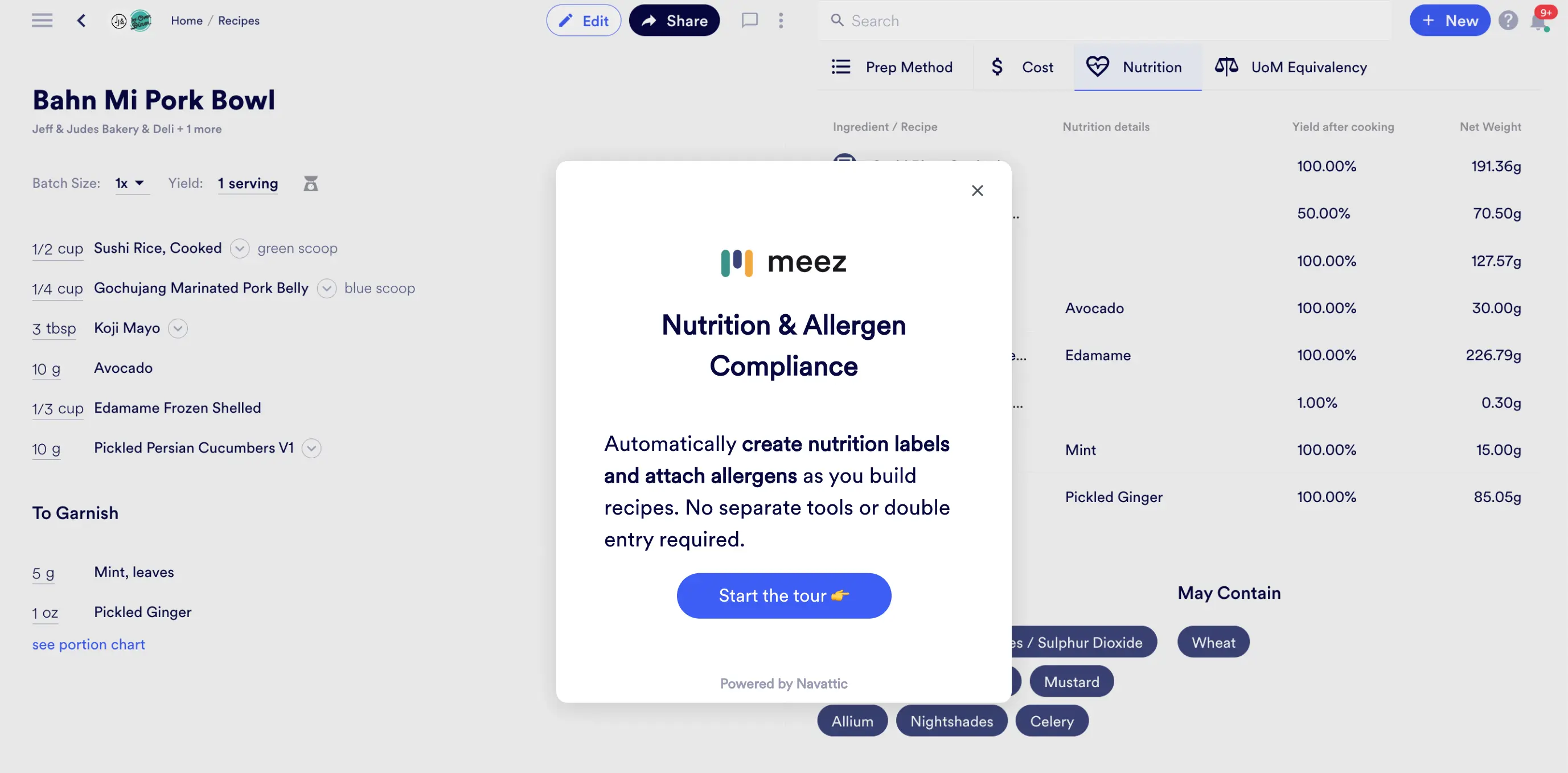
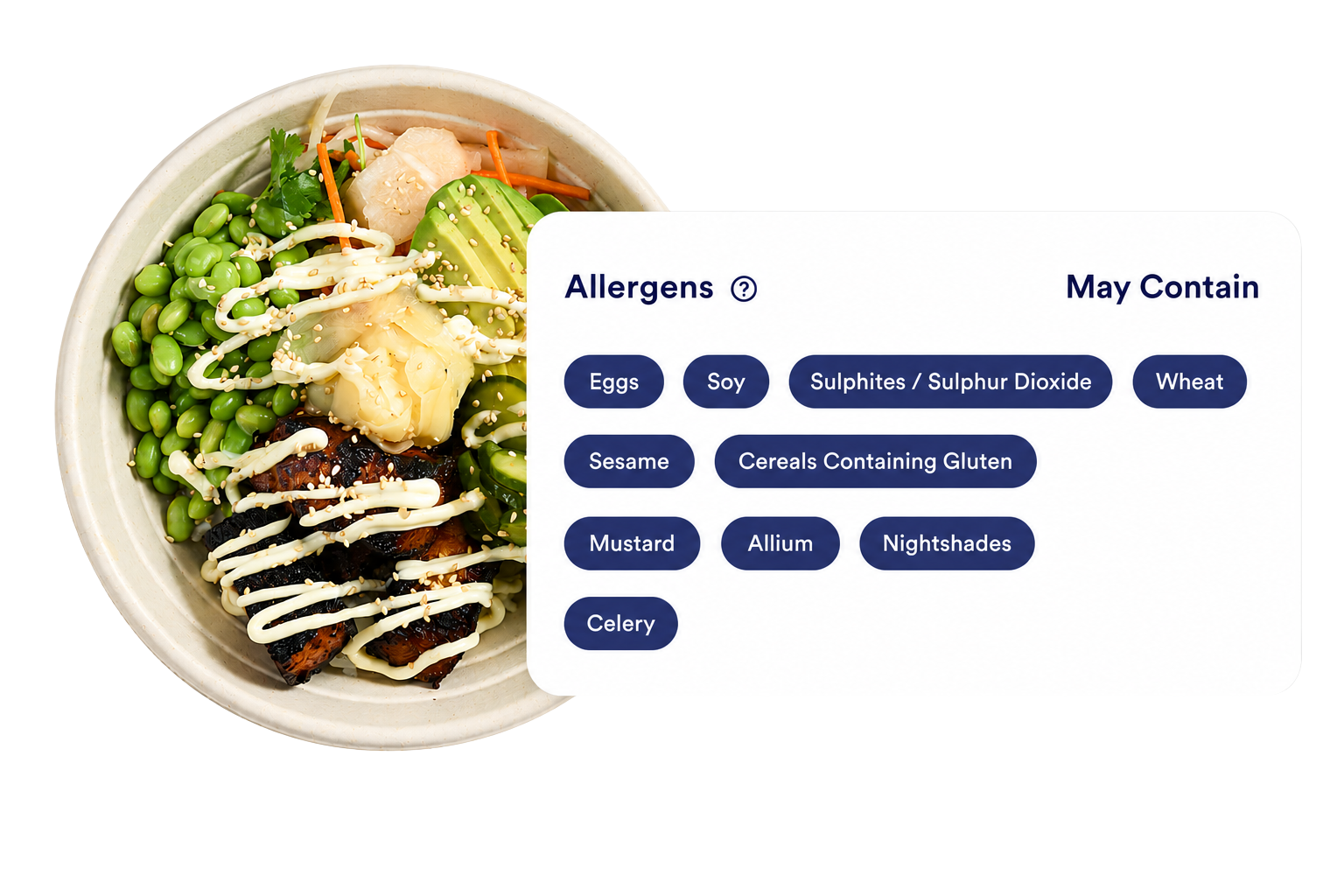
meez provides a centralized allergen compliance system that automatically tracks allergens at the ingredient and recipe level, ensuring every menu item reflects the most current information.
Whether you're preparing for nutrition labeling requirements, responding to supplier substitutions, or training front-of-house teams, meez gives your organization a single source of truth for allergen management.


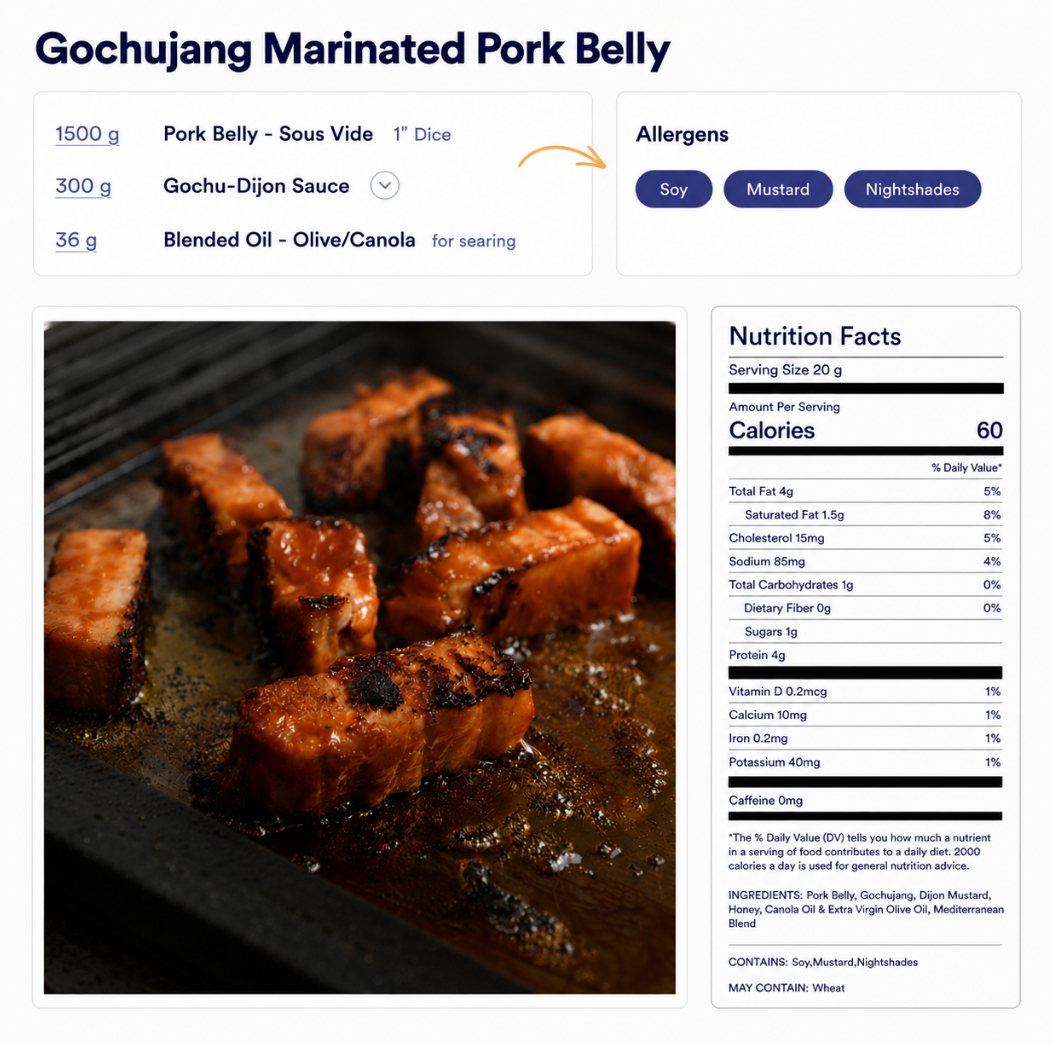
meez automatically tracks allergens from the ingredient level through recipes and menu items, ensuring disclosures stay accurate as menus evolve. When supplier substitutions or ingredient updates occur, allergen information is updated everywhere it's used.
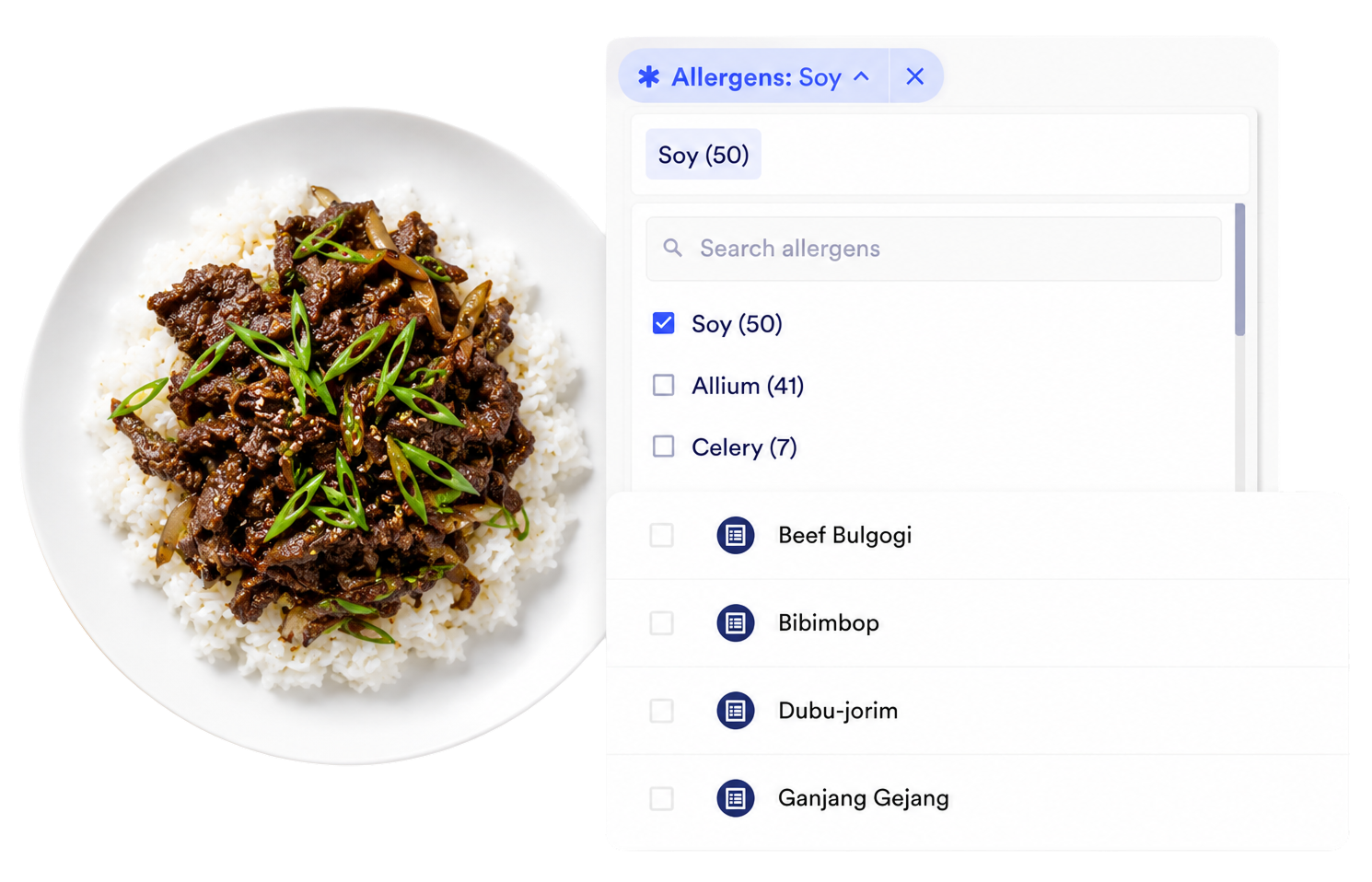
Give service teams real-time access to allergen information so they can confidently answer guest questions and reduce the risk of allergy-related incidents. Unlike static PDFs or printed guides, allergen information always reflects current recipes.


Create a centralized allergen database for every ingredient, recipe, and menu item across your restaurant group. Allergen information is stored directly within your recipe management workflow, eliminating disconnected spreadsheets and separate systems.

California's SB-68 requires written allergen disclosure at restaurants with 20 or more locations, effective July 1, 2026. meez gives you the auto-updating allergen data, audit trail, and FOH access layer you need to meet that bar, and stay there as regulations evolve.
Learn moreAllergen management software helps restaurants track, tag, and disclose the allergens present in every dish. It connects ingredient-level allergen data to recipes and menu items so that guest-facing disclosures stay accurate — even when ingredients or recipes change. For multi-unit groups, it replaces manual spreadsheets and separate allergen databases with a single, auto-updating system.
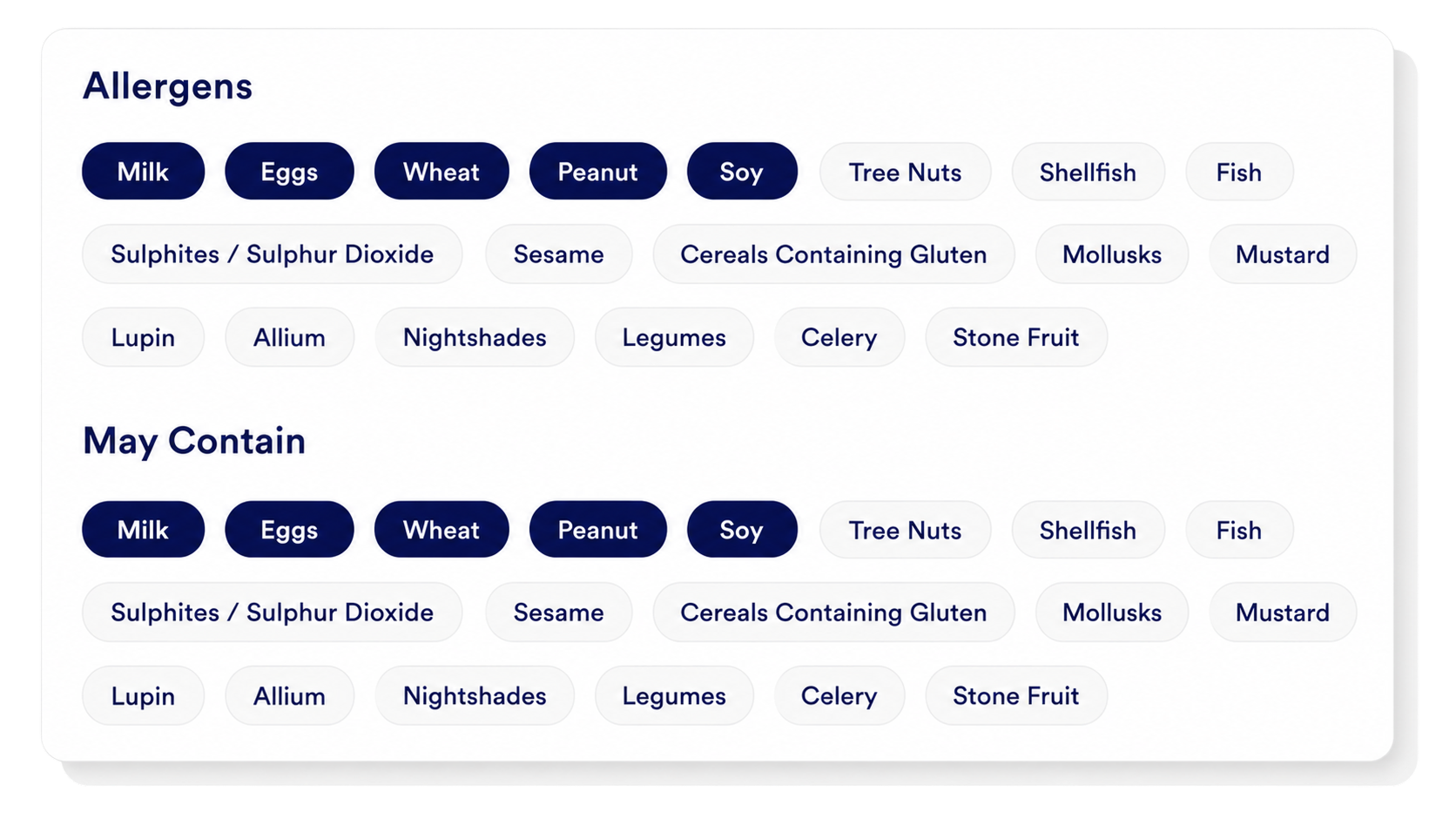
meez automatically tags all 9 major FDA-recognized allergens — plus sesame — to ingredients as they are entered into the system. Because allergen data is tied to ingredients rather than manually entered per recipe, any update to an ingredient propagates automatically to every recipe that uses it. This eliminates the need to manually update allergen disclosures when a recipe or sourced ingredient changes.
An allergen compliance system is software that ensures allergen disclosures remain accurate across all locations, menus, and service channels. For multi-unit restaurant groups, this means having a system where recipe changes automatically update allergen data everywhere — not one that requires manual reconciliation across locations. Under California's SB-68, restaurants with 20 or more locations are required to provide written allergen disclosure, making a compliant, auto-updating system essential.
An allergen database in restaurant software is a library of ingredients tagged with their allergen profiles. When you build a recipe using those ingredients, the system automatically surfaces which allergens are present based on what is in the dish. meez connects to USDA ingredient data, so allergen tags are populated automatically rather than requiring manual entry by the culinary team.
An allergen audit trail is a log of changes to recipes, ingredients, and allergen disclosures — showing what changed, when, and who made the update. This is important for compliance because it allows operators to demonstrate due diligence if a guest experiences an allergic reaction and legal action follows. meez maintains a version-controlled record of all recipe changes, providing an audit trail as a built-in part of the recipe management workflow.
For most multi-unit restaurant groups, yes. Standalone allergen disclosure tools require you to enter and maintain recipe data in a separate system, creating double entry and increasing the risk of disclosures falling out of sync when recipes change. meez manages allergens within the same recipe data layer your team already uses for costing, prep, and training — so disclosures stay current without additional software or manual reconciliation.
California's SB-68 (Allergen Disclosure for Dining Experiences Act), effective July 1, 2026, requires restaurants with 20 or more locations to provide written allergen disclosures to guests. meez supports SB-68 compliance by auto-tagging allergens at the ingredient level, propagating updates to all affected recipes automatically, and providing allergen-filterable menu views for front-of-house staff. See the SB-68 compliance checklist for a step-by-step readiness guide.
Yes. meez provides a filterable menu view that front-of-house staff can use to look up allergen information by dish or filter the entire menu by allergen in real time. This replaces static printed allergen guides that go out of date when recipes change, giving servers a live, accurate resource to answer guest questions accurately.