
Menu engineering software that turns insights into profit
Stop guessing which menu items make you money
Strong sales don't always equal strong margins. meez gives culinary and operations teams the numbers behind every menu decision, from ingredient costs and portion yields to menu item profitability.
Build, cost, and optimize every menu
Build menus from your recipes
Create à la carte, tasting, catering, cocktail, and seasonal menus using the recipes and ingredients already in meez.
- Build menus from your centralized recipe library
- See theoretical menu costs, profit, and revenue
- Keep menu costing connected to your recipe data
See how every change affects profit
Test changes before putting them on the menu. Adjust ingredients, portions, selling prices, or sales volume and see how the numbers change.
- Model food cost percentage, profit margin, and revenue
- Compare recipe and pricing changes
- Make menu decisions without rebuilding spreadsheets
Know your true menu item margins
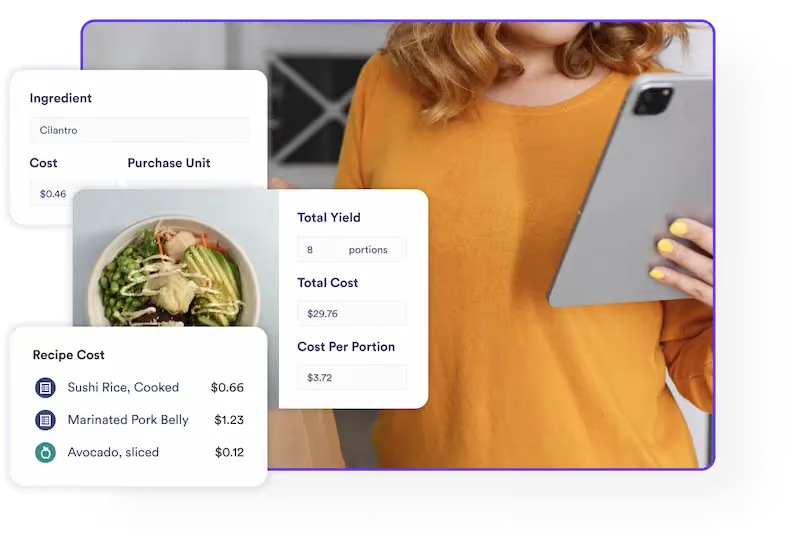
A profitable menu starts with accurate costs. meez accounts for ingredient prices, prep yields, conversions, and sub-recipes so your menu analysis reflects how your kitchen actually operates.
- Calculate accurate cost per portion
- Understand food cost percentage and contribution margin
- Identify recipes where costs may be hurting profitability
Find your next menu opportunity
See your true theoretical menu costs, profit per item, and revenue impact before you make a change. Adjust sell prices, swap ingredients, or model a new menu with meez’s menu costing software.
One source of truth for every menu
Menu engineering gets harder when you're managing multiple kitchens, seasonal changes, and fluctuating ingredient prices.
meez keeps recipes and costing data connected, giving culinary, operations, and finance teams a reliable foundation for menu decisions across locations.

Consistent recipes

Accurate costs

Not ready for a demo? Run the numbers yourself.
Try our free ROI calculator.
see what food cost variance, rollout inefficiency, and training overhead cost your group annually.
Calculate my ROI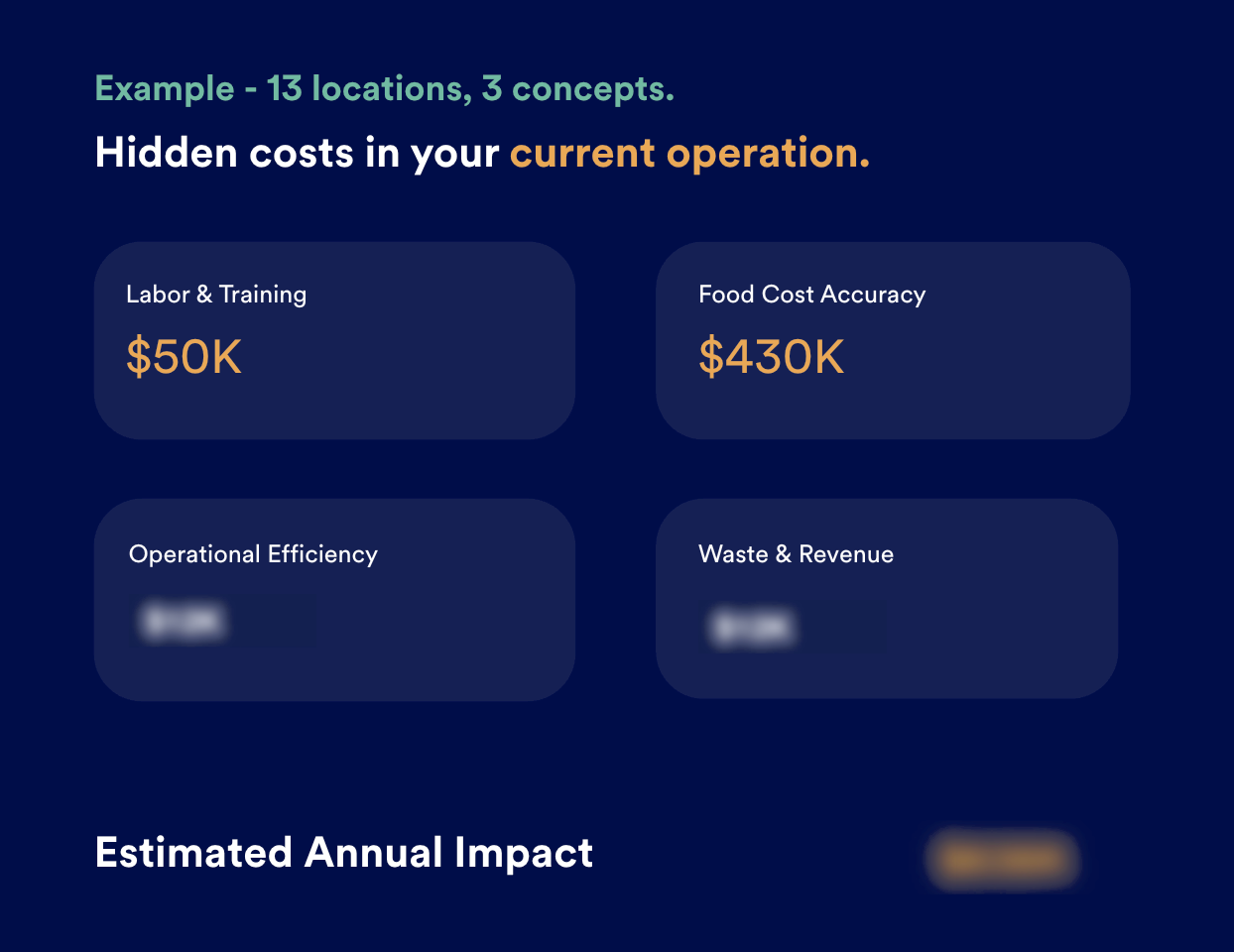
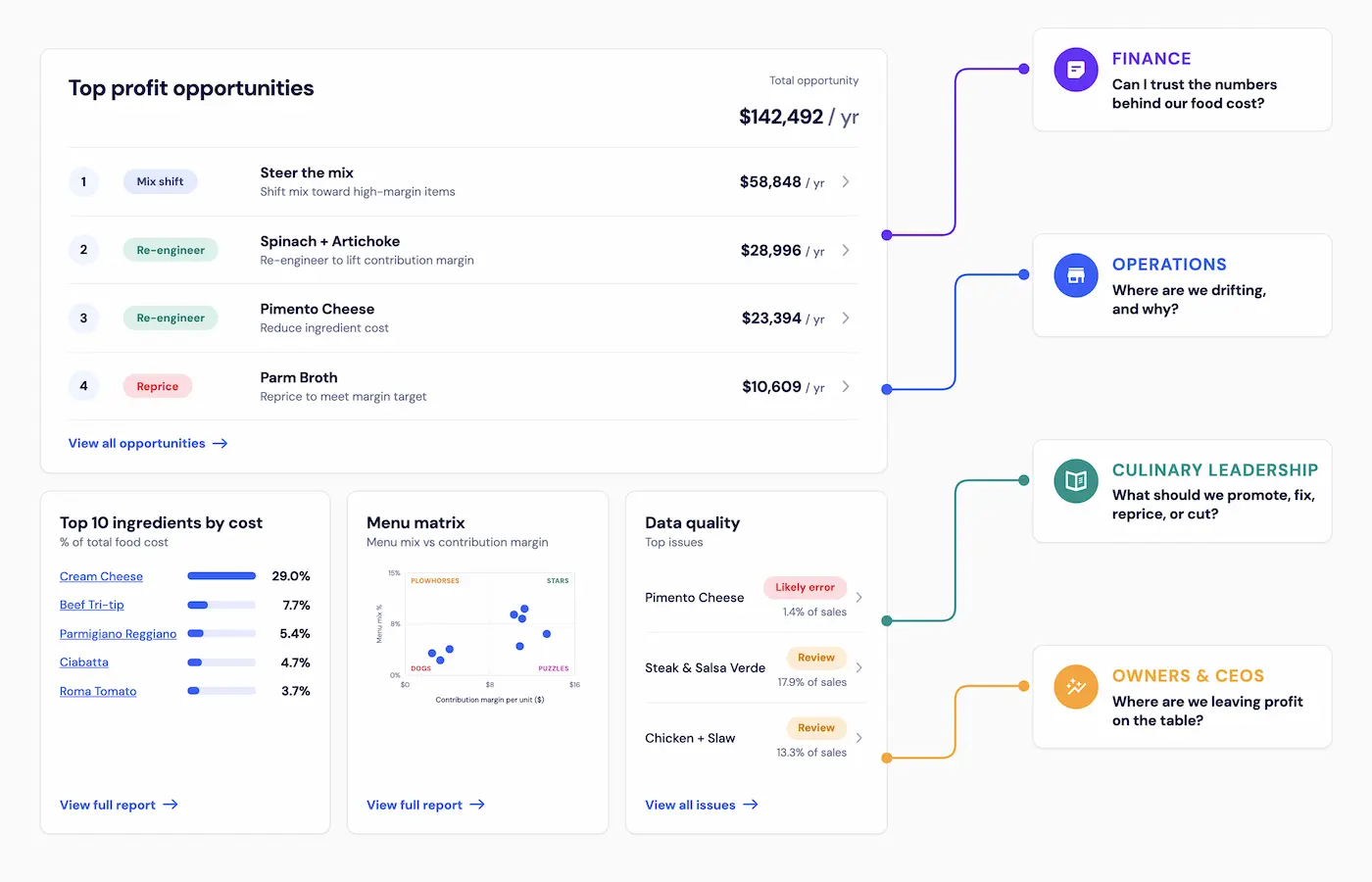
Know which menu changes are worth making
Meet meez Intelligence, our AI-powered analysis platform.
Bring structured recipe, cost, and connected sales data together to understand your menu's performance and identify your biggest opportunities.
Real results from restaurant groups like yours

"We opened two restaurants on the same day for the first time ever, which was only made possible by having all recipes readily available. meez has really been a workhorse for us. It’s become a backbone for our business.”

“meez has saved our chefs hundreds of hours they used to spend trying to food cost manually, freeing them up to focus on running their kitchens. By centralizing the food costing process, we’ve made everything much more efficient and have seen a 4-5% reduction in menu costs across each venue.”

“meez helps our team pinpoint errors faster. It’s user-friendly, and our chefs love being able to build and adjust recipes anytime. It’s made everyone’s jobs easier. They understand it. And you’re able to put in recipes and auto-yield, which is a huge thing.”

“meez is our stable starting point for recipe development and menu development. It saves us multiple hours a week and just creates this level of efficiency that we wouldn't have otherwise. Just the simple accessibility of it saves us so much time.”

Profitable menus are just the beginning
meez connects every part of your culinary operation through one source of truth: your recipes.


Frequently Asked Questions
What is menu engineering?
How do you calculate menu engineering?
What is the menu engineering matrix?
How does meez support menu engineering?
How do I reduce food cost through menu engineering?
Can meez help me build new menus or seasonal menus faster?

meez is the recipe software that helps chefs create, organize, and execute profitable recipes with precision.


