Thomas Buckley (07:50.808)So I got accepted to do a third year at college. And at that time, was kind of, it wasn't supposed to you had to be 21 or you had to have seven years in the industry or something like that to do the Seeding Guild 3, which is super advanced. And back then, the colleges were run on government grants. So it was really not the number of students, but the percentage rate, right? That then got you that grant for the following year. And so they would select certain people that they knew would have a high
know, rate of pass, percentage of passing, so they would look good. So there was literally five of us in the pastry class and six of us in the kitchen as opposed to 20 or 30, which is normal. So yeah, and it was great. Actually during my time at college, again, I said they were very, very well connected. The first year, summer hiatus, you do like an externship. The first one they want you to do in some sort of industrial kitchen, whether it be a school or college or hospital. So I went back to my old junior school and had a good laugh and it was great.
They made everything from scratch back then. The dinner ladies we called them, I didn't realize they made everything. All the classic puddings, Jam Rolly Polly, know, all that kind of spotted dick.
Joshua Sharkey (08:53.358)Yeah, everything from scratch.
Joshua Sharkey (09:02.626)What did w what is that why did that stop?
Thomas Buckley (09:05.578)You know, big business. you know, it was crazy to see, it was a very good school. They had like a section for vegetarians and healthy food, then they had the main line. But I didn't realize until I actually went to work in that kitchen that they made everything from scratch. That's So that was good. Then the second year of college, got to work on my work program. I got to work with one of the first celebrity chefs, Keith Floyd. Very flamboyant, eccentric dude. Yeah, drinking.
was like, you know, on camera, just always drinking wine and, you know, cooking outdoors, very chaotic. so he had a pub in Devon and I worked there for the summer through school and he was so impressed. He actually came up to the town. We did a big dinner. It was all in local newspapers and and all of that. And then the third year, my French teacher, because we studied French as part of the program to be carried on the French language and kitchen French. And she hooked me up with a summer work program at Sheppiq in Valence.
Michelin star. was like it was just amazing to see you know like this is how kitchen should be.
Joshua Sharkey (10:10.7)Yeah. Well how so how old were you when you were there?
Thomas Buckley (10:14.765)18. 18. Yeah, it was my last year at college. And yeah, it was great. Then I actually ended up working for a friend of theirs in the countryside because like a lot of the top restaurants, they close in August and I was there another month. So I spent some time in the countryside at a one or two star auberg, really nice. But yeah, that gave me a taste of what kitchens should be like, not these kind of violent sweaty. But know, Marco Pierre White was a hero, right? He was this was the 90s we're talking about when I was at culinary school.
I had friends that worked with him and a couple of friends that went to work for Anthony and Thompson, couple of well-known chefs. So went to London, looked around. I staged with Nicola Dennis, was one of Marco's mentors. And it was a good kitchen. But then he didn't have a spot for me, so you can keep coming and work for free until something opens up. But then the Conor Hotel, they offered me a job in the pastry. So everyone advised, should take it. It's amazing. So it was.
Joshua Sharkey (11:06.05)Yeah.
Joshua Sharkey (11:10.706)had you had you done Pacer before? at college? you did both So this was Cannot in what what year was this? Nine
Thomas Buckley (11:12.65)Yeah, do well. Yeah, yeah, think kitchen and pastry and.
Thomas Buckley (11:21.477)1994, yeah, moved to London, I was just turned 19, I moved there and started at the Connacht. Just under three years, and I got offered a...
Joshua Sharkey (11:23.234)Yeah.
Joshua Sharkey (11:32.12)Yeah. How long are you there for?
Yeah, yeah.
Thomas Buckley (11:40.878)I was working temp work because the pay was so little. It was very tight, the pay in London was so expensive. I was doing some work with a temp agency and they said, hey, this is new restaurant opening. It's out of New York. The chef called John George. A restaurant's called Vong. It's like Thai French. I'm like, sounds interesting. So I kind of got involved with the opening of that. Exactly.
Joshua Sharkey (11:59.724)Yeah. Ironically he now he's got the Canut Yeah. Yeah, full set. Well yeah. You know I wanna I wanna talk about your all other sets for before before Nobu, but I think the Canut Bar is maybe the best bar in the world. yeah. Like Ginnin if you ha you just gotta go and have gin and tonics at the Cannot Bar.
Thomas Buckley (12:18.926)It's a beautiful, I mean, it hasn't changed much, but you know, when I was there, working there, Sir Alec Guinness was pretty much a permanent resident. The Monty Python guys were regulars. In fact, you know much Monty Python? Do you know the scene with Mr. Creosote where he gets full and he falls asleep at the table and they feed him that? He explodes at the end. So it was based on actual diner from Conor Hotel. Mr. Waldy was his name. can say it now, Mr. Waldy was his name and he was still dining. So he basically would eat
Joshua Sharkey (12:42.7)Really?
Thomas Buckley (12:48.88)He would order and eat and fall asleep at the table. And yeah, this, so this character, cause you know, the, the money Python team used to stay and dine there and they would see this. I think they, based this character off of him. Yeah. But it's such a rich history and beautiful building. And then talk about gin and tonics, you know, they had big affiliations with the Royal family. So when I was there, Prince Charles would walk around with gin and tonic in hand, course. And he's just, he's the King Charles now he's to do his visit to the state.
Joshua Sharkey (12:51.256)No.
Joshua Sharkey (13:03.559)beautiful.
Joshua Sharkey (13:17.862)Yeah. I mean the bar that they bring over with all the yeah. Man, it's just there's nothing like I don't know why there's just nothing like a gin and tonic at yeah at that at that bar. I don't know what makes it so good. I guess it's more like the experience of
Thomas Buckley (13:31.288)Yeah, you're in a real place and solid professionals and yeah, it just feels right.
Joshua Sharkey (13:36.902)I haven't been back since J Ju J G took it over. Have you?
Thomas Buckley (13:40.846)I popped into Visit when I was in London.
Joshua Sharkey (13:45.314)So, I mean I mean you've been working for Nobu for how many years now?
Thomas Buckley (13:48.846)20, almost 28.
Joshua Sharkey (13:51.8)Twenty eight? Yeah. Man, that's nuts. But before I mean y but it sounds like you've had you've worked whether it's staging or do some work with J with John George, Danielle, a little bit with Adria, with Fraun Adria and Tois Gras as well. Yeah.
Thomas Buckley (14:06.872)Yeah, I nicked off to Brazil for a vacation, ended up staying six months and did a bit of part-time work for him and his friend. it was funny when I went, he was the one I wanted to work for and he just, Claude Toigre, is, and he just opened CTs in New York at the time. This was like, yeah, mid-90s. And so I ended up like, then working for a friend of his in a restaurant. But he offered to, when I got to New York, maybe look him up again. But I ended up working with Daniel instead.
Joshua Sharkey (14:36.846)What were your biggest takeaways from those chefs?
Thomas Buckley (14:39.798)Yeah, you know, I mean, just to see them operate, like all of them have that deep passion, great palette and the energy, you know, I think just being around that, like, you know, from John George, Danielle was like a, you know, like a firecracker. would be, you know, I was at, was at the original Danielle's on 76 and park and, before they moved to the older Cirque space and it was a little office as you came up the stairs from the staff entrance and to the main kitchen, the pastry was right there. And you
When I was there, I was all heavy hitters. Johnny Usini was there with Francois Payard. Riyad and Lee were still there. And I'm going to call Riyad out now, So my first day, I'm downstairs in the prep, and I'm walking down the little narrow corridor. Riyad, he was an ice hockey player, me looking guy, biker looking guy. And I'm walking past him. He pushes me against the wall. I'm like, whoa. He's like, you think you're tough, don't you?
Thomas Buckley (15:42.972)It was funny, mean, you know, we got on great, but I went to go and see him and they just opened Balthazar right after I started and I went to go visit them almost every weekend. But yeah, it was it all heavy hitters at that time in that little restaurant. And know, service was starting and just suddenly appear at that little office and just the energy. Yeah.
Joshua Sharkey (16:02.432)It was it's it was definitely a very unique energy at Danielle. I I think I I might have started there for like a week when I was like in between in between jobs and it was it was great. It was very very intense. I think it was Jean Francois or maybe
Thomas Buckley (16:16.45)Yeah, Jean-Francois, yeah, we started together. Jean-Francois Bruel, he's still with him. Yeah, Jean-Francois, yeah. There's still a couple that are still with him, yeah.
Joshua Sharkey (16:24.856)Yeah. Yeah. And that space is like you know, I mean
Thomas Buckley (16:28.226)Yeah, just yeah, I was on a J1 at the time and John Francois just come over from France and another couple of French guys and we became really tight, tight, your group and friends. A good friend of mine, Verna Morales, who's now in San Francisco, he started as well and he's what he's one that got me interested in going to Spain. Yeah, you know.
Joshua Sharkey (16:47.578)so I mean what's the what is different about Nobu than those chefs? 'Cause they are fairly you know, it's pretty
Thomas Buckley (16:55.874)You know, what it was, I think, was the food and the philosophy, I guess, is kind of unwritten of the Japanese chefs that I work with. When I was working for Daniel in New York, I actually got to eat at the Nobu in downtown. And it was great. The flavors were very different. It wasn't so Japanese. There was anti-kucho and this, what the hell is that? It was very interesting. But I never really thought anything about it. I'd been on that French track, the Michelin thing for quite some time.
And I'd been leaving Danielle's. Like I said, I went to stage at El Bulli. But on the way back to England, it was like, well, who am going to work for? And I had job offer from like, Gordon Ramsay, a couple of others. after being at El Bulli, I just changed my complete mind about what food is and should be and can be. And I said, yeah, I don't want to do the French thing anymore. It should be lighter and simpler and this. And then friends of mine at the Barclay where Vong was, the chef at the time, we were very good friends. said, hey, you should check out Nobu. They just got a Michelin.
started, they're killing it. So I went over there and funnily enough I'd met the chef. He'd just come from New York as I was leaving the country to fall New York and he was the new chef at Vong and he just come, Edwards, he'd just come from working in New York, he'd been in Asia in New York.
And he was, yeah, he just gave me some advice, but he was at Vong. And when I got back to London almost three years later, he was the chef at Nobu. So went, hey, I went to see him and kind of worked out. I said, yeah, but.
How I ended up there was an accident. I wasn't supposed to be there. I was supposed to be still in Spain. it was a whole story there. I thought I'll work a few months, get some money and go back and join my friends in Madrid or whatever. But yeah, just here I am 28 years later. But no, was... But how did that happen? I think just that philosophy, that whole Buddhist connection almost in a way, it's a Zen way of life, like no waste and just how you move.
Joshua Sharkey (18:55.171)Is is Nobu sort of bo does he have a boot like a Buddhist?
Thomas Buckley (18:58.444)Yeah, without saying it's just there. It's just the calmness and the serenity and then the philosophy about the food and the seasons. It just all makes sense. It's what chefs strive for. Yeah. But it's, you know, if there's a book on the way of the kitchen.
The kitchen is called. What's it called? The chapters called kitchen is based in a dog. Yeah. So it's about the whole life in a monastery, but there's a whole chapter on being in the kitchen and, you know, it ties into the whole philosophy and how they cook and even eat, how many times they should chew. And, but yeah, the, the whole, yeah, really read the book and read that chapter in particular, like kind of resonates a lot.
Joshua Sharkey (19:44.078)Twenty eight years. Man, what's what's like what's different today than it was like how different is the food today than it was when you started?
Thomas Buckley (19:52.574)I mean it hasn't changed too much, know, the classics remain the same, they've just some small tweaks, but I think that's what's been amazing, like it's, you know, there's been a lot more added to the lexicon because as we've grown internationally, now there's inspiration from not just Peru, but you know, Europe and Middle East and you know, obviously we're on every continent except Antarctica, but soon.
Thomas Buckley (20:20.376)Yeah, things. Yeah. But yeah, it's yeah, I think it's we've seen that change and now we've all added our own influence. Yeah. And new dishes have come about and proliferated across the states on the menus. But really, it's just been that growth. You know, they've kept me interested and, you know, stepped up with the company and grown with the company. now we are back then. There was a handful of restaurants and now 60.
Joshua Sharkey (20:46.702)Yeah, sixty that's that's wild. keeping it keeping all of that, you know, consistent across all those is just I mean it's a huge challenge. By the way, I I think I read like you're you got really deep into tempora, is that right? is that that was the station you started with? So
Thomas Buckley (20:59.478)Yeah, I started on tempura. Yeah. Yeah.
Joshua Sharkey (21:04.882)I remember making tempura at at Boulet and and it was actually really good, but it was very different from anything I've ever seen before. Like what what do most people fuck up about tempura?
Thomas Buckley (21:19.821)They overwork it because they don't want to see lumps. And that's not, it's supposed to be lumpy. You don't want to mix the gluten. You want to just fold the flour in. Normally with chopsticks, you know, but it should just be delicately mixed and not agitated. then because as you use it throughout the night, you're agitating it as you go along. So that's one thing that's kind of hard. No, no, we do the classic, you know, ice water, tempura flour, egg yolk.
Joshua Sharkey (21:39.896)Booze, sparkling blue, like
Thomas Buckley (21:47.246)That's it. And I've tried different variations with alcohol, vodka, know, the fat duck time with but vodka I did for a book. Sparkling water, yeah. We do the classic. Just the classic style, works. Oil, that's... Yeah, the temperature. 360 Fahrenheit, 180 Celsius. That's very important.
Joshua Sharkey (21:59.668)Is there anything about the oil?
Joshua Sharkey (22:07.224)For any anything that you're tempted, anything.
Thomas Buckley (22:08.846)Yeah, we normally want one run a little bit lower for like we'll do a second fry on some fish. So which is one of the secrets, you know, if you're doing shrimp or fish, obviously the moisture content, if you serve it straight away, it's gonna, gonna steam will make the batter soft. So what we do, we let it rest. We cook it blonde, we say white and let it rest and do a second. And then you got the extra.
Joshua Sharkey (22:28.088)Does that are you like are you like sandbagging that, like doing a bunch of it and then f firing firing?
Thomas Buckley (22:32.942)For parties and busy times, yeah, it works the best and cuts down the mess, but everything else we cook ala minute. But yeah, we do a lot of events in this space, know, 100 people, and so we have to pre-cook rock shrimp, things like that, but just for the events.
Joshua Sharkey (22:50.104)What is I mean, sixty some odd r restaurants, like what what's like the hardest thing to get right consistently at the at the restaurant? What's the hardest dish to execute?
Thomas Buckley (23:01.006)I think the one that gets messed up the most is salads to be honest people end up doing too much dressing You know like it's tell people yeah, you can always put it you can always add but you can't take it away So once you're committed and yeah, cuz you know sushi bar guys are very consistent You know, they we we hired very good people and the training spot-on Black card very consistent. Yeah, it's very hard to mess up. Yes, very Yeah, and some of the dishes are very simple. But again simple sometimes hard to do right but the one I find the most
It's salads. It's just weird. It's just salads. And some people, when they get, you know, they start on the Garmogé or salad station, they might feel offended. They say, no, you gotta learn. gotta learn that miso soup. You learn the flavor. Drink some miso soup every day. into the rhythm of it. Get the vibe. Clear soup. You really educate in your palate because, you know, Japanese food can be subtle. And, you know, you wanna really elevate the natural flavors. Learn how to use salt properly. Develop umami in your palate. Learn which parts of your mouth are being active.
and show the difference of like, yeah, now you taste it on your tongue, but now can you taste it all around your mouth? So again, I'm very up on educating people and even nobody was like, yeah, know, want the rice is another one cooking the steamed rice. That's another one that gets.
Joshua Sharkey (24:17.71)You guys use rice cookers? Yeah.
Thomas Buckley (24:19.374)Yeah, but you know washing the rice Rinsing it correctly and then the correct ratio of water and you know rice throughout the year changes new crop old crop So that's one of the things that we're constantly now We try and get there if we have a Japanese sushi chef or in the kitchen. We try and get them involved Hey, you be tested soup and the rice, please because these guys gin You know, sometimes their palates are a little different
Joshua Sharkey (24:43.384)Two. How do you I mean just I'm just curious like how do you handle the fucking supply chain of I mean I imagine you have to have the same rice also black cod, like getting black hot all the time. You must have like you know, like a bunch of different options for the
Thomas Buckley (24:57.248)Well, one thing about Nobu himself and what I respect and admire as well, he's built these relationships from when he first started. Like in Matsuhisa 30 odd years ago in Sienega and Los Angeles, he's developed these relationships with suppliers that stuck with him. they've shown, same as the employees, the suppliers have shown massive loyalty. For example, the sake, exclusively uses hokusetsu from Sado Island. And when he first opened Matsuhisa, he told the owner, Hazu-san,
And like, and he nicknamed it Saki Island, not Saddam. Yeah. He said, Hey, you know, how I want you to only sell to me exclusively in United States. So when he had one restaurant, yeah. imagine the commitment and the risk of believing in somebody that much that you, you're not going to sell to the rest of the, so, you know, and then we started with Barry Markman when we first opened New York in terms of like the securing the black card and the rock shrimp and some other.
Joshua Sharkey (25:54.966)Black hot from one produce like you have one farmer that's getting you all the
Thomas Buckley (25:58.338)Yeah, well, he has a big slice. So he's grown too, along with Nobu. He's massive now, Mark Foods. Yeah, he's huge. yeah, yeah. He was, again, very small, you know, and grew with the company, he was supplying all the restaurants as they grew, but then things got too expensive, because he used to open warehouses and chuck in, so what we did, we just still use him, but now we just use big box retailer, Cisco, as a distributor for us. No, makes It just evens the cost out across the country.
we have more restaurants because it was obviously we were paying one price in New York at the time and Like say $11 a pound and suddenly West Coast are paying 17 18 because of the setting of the warehouse and the trucking so one of my first tasks when I became corporate chef was to dive into that and yeah, we we got a couple distributors involved and really kind of even the price out and
Joshua Sharkey (26:49.11)But mean even like the miso, I'm sure you have to use the same miso for
Thomas Buckley (26:52.966)We have two brands. have one for the den miso, the sweet miso for the black card, and we have one for miso soup. we have a big supply from Japan. We use JFC for all the products. And we give the chef lists of these non-negotiables. the soy sauce we use for the recipes, they use the juice for 7 % salt.
Joshua Sharkey (27:14.914)What's the soy sauce you guys use?
Thomas Buckley (27:16.396)I was using Kickerman, yeah, but that's been since the beginning. Yeah, we use different, we use the Maradise use, which is a higher, higher quality, the light soy, main soy. But yeah, we, then we just, we switched the rights a few years ago. were doing, I was with Nobisane doing this, he was doing Discovery Asia and he invited Danielle to do one episode. It was Thomas Keller, Danielle, and he invited me out because I used to work with Danielle. I yeah, I feel comfortable. So I came out and we were in Niigata and we were talking to
the ministry there of agriculture. And we said, we'd love to use your rice in the US. so we're now using the rice from Niigata. Really good quality. So we use that for the sushi rice. Then we use Nozomi rice from California for the steamed rice. A few years ago, Nobu wanted to replace sugar in the seasoning of the rice with monk fruit sugar. Really? Yeah, so we use that now. So our sushi rice is sugar-free.
Joshua Sharkey (28:15.234)Monkey is not so.
Thomas Buckley (28:16.878)So we do a sushi vinegar with the monk fruit sugar and the red yuzen vinegar. yeah. Yeah. Salt kombu.
Joshua Sharkey (28:23.896)comes with JFC too, the the red vinegar. Yeah. You ever y you ever checked out Japanese Pantry? Yeah. I love those guys. They have such Yeah. I love their stuff.
Thomas Buckley (28:33.718)I'm buying a few products now from House of Umami. Check him out, really good. He's great. He's got some really unique stuff.
Joshua Sharkey (28:38.882)Yeah, yeah. Yeah. monkfish wow, monk fruit. I can't believe you use monk fruit for the for the I mean it makes sense. I I th that must have been a big taste change though, 'cause it's got a it's got like a you like you taste monk fruit when you
Thomas Buckley (28:47.683)Yeah.
Thomas Buckley (28:55.448)So yeah, it was a development phase and you don't really feel it now because we went to the gold. They got another product called the Golden One from Lakanto and it doesn't crystallize and it hasn't got that kind of saccharin flavor. Yeah. So yeah, was a bit of a recipe development. there were some big changes. Yeah.
Joshua Sharkey (29:09.666)Powder you buy? You buy like a powder form?
Joshua Sharkey (29:20.12)think that's the thing that people like take for granted is you think, you have this dish on the menu and now it's just done forever but like every time you open a new spot you get like you know, like making sure you execute the same way in this restaurant on this restaurant.
Thomas Buckley (29:33.198)Especially internationally something yeah tastes different. Yeah, manila we couldn't get the users so we started to use the local citrus We using actually recording my garden Calamansi yeah, yeah the calamansi I had a calamansi trees and died but yeah, we're milk calamansi Just in the beginning and then the soy sauce was different because it had been sat for a long time. Yeah kind of like finding
Joshua Sharkey (29:43.618)What what local what citrus you're
Calamancy?
Joshua Sharkey (30:01.024)Calamante's a great comp for Yuzu. That would be really good. Yeah. that puree that was it bro I think bro brown, they all make up that. Yeah. Is that what you use, like the the puree?
Thomas Buckley (30:10.434)Yep. But we use the juice too in, yeah, the puree as a sweetness, but we were just using straight up calamansi juice in Manila. got the Yeah, we get the fresh too. Yeah. They're small. Yeah. a lot of those.
Joshua Sharkey (30:25.464)Fine. I was actually we were just talking about Bangkok Supper Club. Yeah. 'cause I was we did a podcast there a couple of days ago and we were talking about getting like sourcing what were they trying to so Macrute. Can't say Cash Real. They grow pretty well here.
Thomas Buckley (30:36.624)yeah. No, I had a macrute tree too in my garden, here down here. Yeah, yeah, it's got to so my friend wanted a lot of the leaves. And so I think I picked too many for him and it died. Like, yeah, it was doing really well. And I was getting, it was fruiting and.
Joshua Sharkey (30:50.466)yeah. I was surprised when I was in Austin, they were everywhere. Yeah. They're like there's there there's like macro trees all all over the place 'cause obviously you can't grow in in New York. Yeah. is there I think there's I think in Maryland there's a farm that grows Yuzu. Yeah. Do you know what
Thomas Buckley (31:09.443)Yeah, and there was one towards the west. I think they closed down or they changed hands California
Joshua Sharkey (31:14.892)One California fruit and like you like I think we're calamancy
Thomas Buckley (31:21.062)Yeah, they used to make a great Yuzu Koshu, but the lady who made it, she retired. So I bought like the last eight jars from her. It was so good. Fresh Yuzu Koshu.
Joshua Sharkey (31:28.866)Yeah. Yeah. Yeah. You know, it's it's funny 'cause like you can only ever buy those two red and green bottles of use of kosher. You what I'm talking about? They're not bad, but they're just you know, like fresh like freshly made use of kosher is really yeah, really good. What's like the I I there's gotta be like a dish that's like you think is like underrated or not ordered a lot that you wish people would order more?
Thomas Buckley (31:34.569)Yeah.
Thomas Buckley (31:48.91)Yeah, which one would that be?
Joshua Sharkey (31:51.662)Mm-hmm. Okay, hold on. Let me reword that. Yeah. I'm bringing a crew here tomorrow. All right. Eleven people. Yeah. what and I think there's a menu already, but what what should I make sure I order?
Thomas Buckley (32:00.846)You know what? I love the Tiradito. It was one of the early classics, but now people obviously go for the El Tiro Jalapeno, we have the Whitefish with Dried Miso, the Salmon with the Mustard Miso, is not my favorite, it's bit too sweet. But yeah, Tiradito, I see that it doesn't get ordered as often as it should. you know, we do various... What is that? So it's basically, again, with that Peruvian influence, the first concept with Nobu, he took
a very basic ceviche in Peru where the Tira means pull. So tiradito is basically the leftovers from the fish. You just mix with citrus and chili and cilantro and eat it. he took that and made it beautiful, like sashimi style, lots of ricotta chili, cilantro, soy salt, yuzu lemon. That's it, really. But it just kind of embodies, I think, what Nobu was about, or originally was about when a Japanese chef in Peru doing a little crossover using local
products and fusing some of those alien flavors, especially cilantro. And Japanese hate cilantro. It tastes like soap. It's one of those things. It's just universally hated in Japan. Right, right. I think cilantro especially. I think they said that people that do like cilantro, genetically, there's something different about it. I was reading about it.
Joshua Sharkey (33:07.16)Well I don't why?
Joshua Sharkey (33:13.563)But she so does she so's got a f you know
Joshua Sharkey (33:27.168)I do you do you guys take trips to Peru H
Thomas Buckley (33:31.054).
I did, we did the, with Nobu back in I 2010 around there, it was the restaurant he started at, Matsue, it was their 30 year anniversary. So we all flew out, a of us from Miami with Nobu-san and we did two nights, they had the original location where Nobu used to work and the second location and we did a night in each location to celebrate their 30th anniversary. It was a wild trip. All our products got stuck in the airport, we had a friend who was calling the Prime Minister,
Japanese one at the time and hey, we can't give you help with it. Literally we got all the products released the day of the first night of the event. Oh my god. It was touch and go. And then after the last day, Saturday night, we all went to a club. And what's his name was playing, I remember, Steve Aoki.
Joshua Sharkey (34:28.352)In Peru?
Thomas Buckley (34:29.005)Yeah, and we all got on a plane, flew to Cusco, like at 5, 6 in the morning.
dropped our bags at a hotel, took a bus, met the train, went to Machu Picchu. It was insane. You did what? What about the elevation? I go, that was fine. But two of our group had nosebleeds. They fell. But yeah, we spent a great night in Cusco. It very Bohemian, live music. It was great. And I've been back a couple of times for the Mistura. When Gaston Acurio first did the big one, I went there for the first and the second. Yeah. Yeah. Astridi Gaston?
Joshua Sharkey (35:01.698)Such a good meal at his restaurant. actually I I ate at the one in Bogota. okay and it was really, really fun good. Yeah. what's it like working for Nobu? Like what tell
Thomas Buckley (35:13.602)Yeah, he's great. mean, you know, he's like the father, the grandfather. He really treats everyone like his family.
And people have fun with him. They work hard. think he's a great leader because he allows that freedom as well, which some restaurants he's unheard of, right? This is the menu, this is the food, it's my food, you do it that way, shut up, get to work. Whereas, yes, we have the classics and the original dishes that we keep the same, but there's definitely a lot of...
freedom, I think, for the chefs to create the omakase menus, definitely within the wheelhouse and learn the flavors and philosophy and techniques. having that freedom, found was exciting for a lot of young chefs, especially I came from the French world. And when I first started Nobu, I learned I can make my own dishes. OK, great. You know, I think that kind of added to the lexicon and to have all the dishes that have been created. And when you look at the last book that came out, World of Nobu, that was the
all the executive chefs from around the world producing recipes for that book.
Joshua Sharkey (36:21.484)So, I mean, if you had to pick like his his superpowers, is it is it is it, you know, bringing bringing a team together to to execute his vision? Is it like his palette? Is it
Thomas Buckley (36:33.198)I think allowing people to do their job. Because when you're this big, the restaurants and the hotels, the population around the world, you have to have that trust. And not micromanage, but I think he just has this trust in his team, and his team follows him. think...
Is that a superpower? I think so. Some people don't have that, right? That quality of leadership. you might want to micromanage or someone's doing that. But he has a great eye, a great palate, like a lot of the top chefs around the world. And he's very active for his mid-70s. He gets on the sushi bar, teaches the guys how to make his style of sushi, techniques, the ninjutsu. But yeah, think he's just a very approachable person, even though he's grown so big.
Joshua Sharkey (37:23.822)I mean it's it's not easy to have this much scale and keep this quality and have people that want to stay for
Thomas Buckley (37:30.862)The people are very loyal, they admire him and people that don't know him when they've met him. And I think it's generational, he got to know a lot of young artists, he loves collecting art. So you know, that whole 90s and 2000s scene in LA with the graffiti. But a lot of the art and then, you know, the...
the relationship with Chris Stamp for the sushi club. again, that's just grown from very one-off thing they did for Los Angeles, and now it's a global thing. So again, these people that have trusted and followed Nobu and said, yeah, I want to do something with you, he likes it and he likes the quality. And that's what it's about too. He really, you know.
people care about what they do and he sees that and feels it and it gives him the kokoro, the heart and he really likes to be with them or be around them and vice versa. I think like attracts like, right? think. Yeah. Yeah.
Joshua Sharkey (38:25.656)Tell me about the cookbook. You did a cookbook.
Thomas Buckley (38:27.182)Yeah, yeah, so, you know, when we opened Miami, we hit the ground running. Miami was very different back then, 2001. The restaurants were all party places, right? Here got Monday night here, bed, you got here, tantra on a Monday. was it? Tantra on a Monday, Tuesday bed, like, you all these old school places. And, you know, it was a big push, really, to educate not only the customer, but our suppliers. Because back then, you know, you had to order cases of everything.
because there was a cruise ship mentality. Why do want a 50 pound case of this? I'm a small restaurant. So I went through three years of being super angry and shouting at everybody like, no, you're fired, I want this, I'm to go with this vendor, you give me what I want. I'm the customer, you have to give me what I want. What's wrong with you? But I think it goes on saying I think we changed a lot of things in Miami just by being who we were and having the buying power and educating the customers and the vendors. Because at that time customers were used to
sushi rolls this big. We brought in a whole different level of quality, all the details, the rice and everything, the cooking. I think it was just one of the people subconsciously, oh wow, this is better here, right? I want to go there. So, Miami, the whole location was just when I was on fire. But a bit of a story, I came here in 2001. We were delayed, we finally opened in August. We actually opened without, we were in a hotel, the Shaw Club, but they were delayed, so we just opened without the hotel.
hotel was dark, we opened. Second night we were open, Madonna came in, because she was living here at the time, she had the Delano Hotel, and the food rider from the Miami Herald, when it was still a proper newspaper, came in. And there was this article the following week saying, how cool are you, you didn't even know Nobu was open, I was there, Madonna was there. This article was just like, we were on fire. Now, you know, the needle came off the record, a month later, 9-11 happened. 2001.
You know, was in, everyone remembers where they were, think. And I was down, I would just come downstairs to this cafeteria in the hotel and the TVs were on. goes, is that real? And all I was thinking, was like, oh my God, I just got here. We just opened this restaurant. That's it, game over. We're gonna go back to England, it's done. That's it. This is madness. Nothing's gonna happen now. Now the reverse happened. Everything became insular. Nobody wanted to travel, couldn't feel safe. Miami just took off. So we were just the busiest like restaurant in the group at that time before
Thomas Buckley (40:56.782)big boys open like Malibu in 57 they came later but we just like it was just took off it rocketed we were so busy it was a small restaurant yeah yeah
Joshua Sharkey (41:03.468)why I remember nine eleven I was working at Oceana and I remember walking to the train 'cause I lived like an hour in Queens and so I saw the the the second plane hit. But I remember we we we ordered like an a whole fucking tuna, like a massive tuna and just made tuna sandwiches for the entire fire department.
Actually I wanna ask you s you must have some crazy stories about you know, you said Madonna, but like like can you you've spent twenty eight years now. What are some of the craziest things that have happened? Yeah. From both from like diners and then
Thomas Buckley (41:45.39)I think in you know back at the Shaw Club restaurant, it was very small intimate and you know people just you know Icons used to come in I remember your whole Kogan first time he came in before he got like, know the whole reality TV thing But he came in it was just like wow, Gene Simmons came in girls like tops were off like It's like madness. Oh my god. So yeah, it was it was one of those restaurants was just like full-on but that particular hotel to whose crazy stuff happened there
One of the cooks came to me one evening and said, hey, I can hear this voice. So where the staff entrance was, came down, there were some lockers, and you took a left to come into Nobu in the main kitchen. And he said, where are you hearing this noise? Oh, it's at the bottom of the stairs. Someone's saying something. I'm like, what? I thought it was a ghost. like, what? So I go over there, and I'm listening. I hear this banging. Help me.
me I'm like what the hell I'm looking around and so the bottom of the AC duct is above me and I knock on it and I hit this oh my god what's going someone's inside so we call the fire department in the middle of service and you know they cut the bottom of the AC duct this guy falls out he's in his swim trunks he's all
Joshua Sharkey (43:04.014)How do you get in the AC T
Thomas Buckley (43:05.39)Turns out he's a well-known lawyer, right? I know because they mentioned him, but they were on the roof of the show club, the suite. they dared him to climb into the, right, the exhaust. He did. So I know all the way from the top, he made his way down to the basement. Like, it's insane. Maddest thing I've ever seen. No, I mean, he was a bit bruised, but luckily. Yeah, yeah.
Joshua Sharkey (43:25.112)Was he injured?
Joshua Sharkey (43:30.484)Terrify. That's wild. Did you did did you help him get out or the
Thomas Buckley (43:36.268)Well, I mean, the fight if I came to cut it out, but he just fell out like he fell out. was looking at him.
Joshua Sharkey (43:43.926)Any any crazy like like people that order like I you know, I remember at Oceana, we had o it was always like you know, in New York, any of those restaurants, there's always celebrities coming in. But then all these like uber wealthy people. And I remember this one guy, he would come in like every week and especially during when it was the Coho King salmon season and he would always order the coho salmon and he would get a slice of craft American cheese out of his pocket and put it on and he would hand it to the server and have us put
it on the salmon and like that was his order. He was like he would grill it and then put w did you have any like crazy crazy orders like
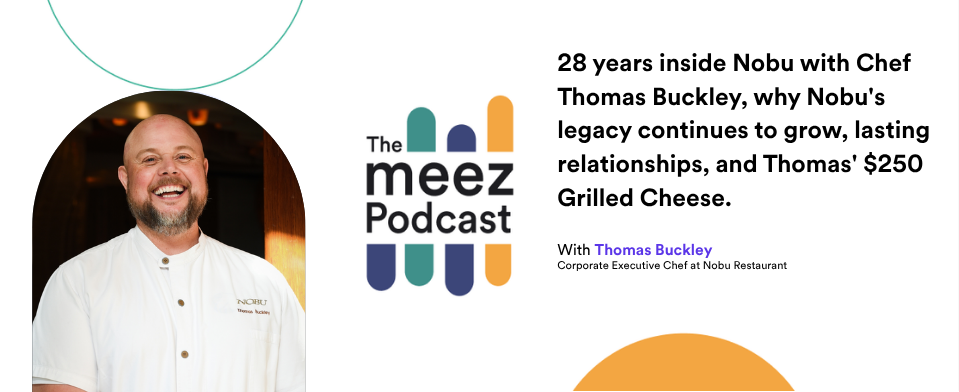
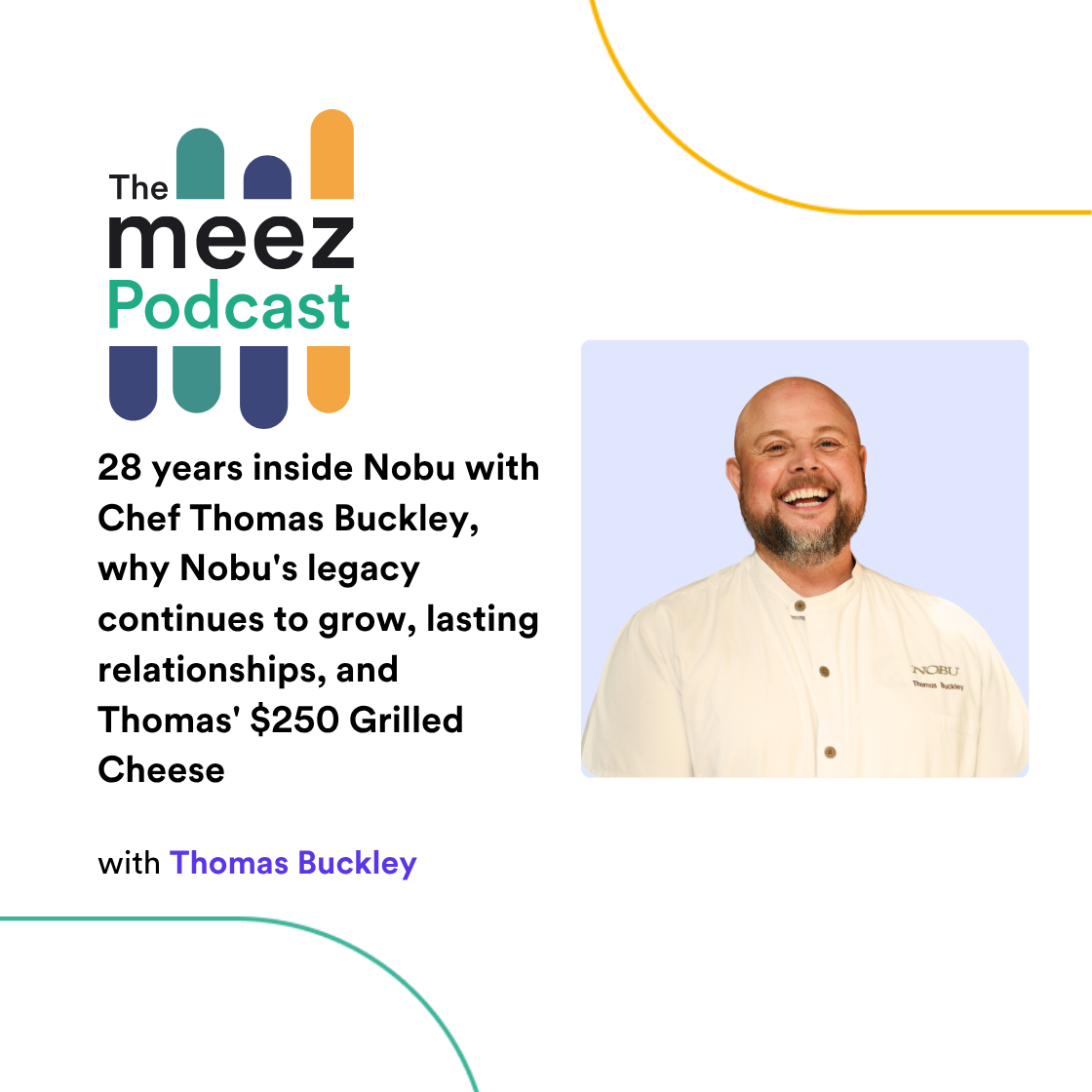
Thomas Buckley (44:20.608)Not, not, not really. People are pretty much behaved, well behaved. mean, we've got some long time guests that want to do special things for them, which is fine. but nothing, you know, back at the Shaw Club, there's again, it was a bit crazy and we had, we had a lounge area and this guy was demanding a grilled cheese. said, well, we don't make that, but no. I goes, well, I goes, you want one? Yeah. Yeah. Cause we have to make a fancy one then. So I goes, okay. So I gave him 250 bucks.
Joshua Sharkey (44:50.115)Good for you.
Thomas Buckley (44:52.6)There was a restaurant next door to us. My wife was working there at the time. And I said, hey, can you make a grilled cheese? Just put this truffle inside it. And said, thanks. Bread and now.
Joshua Sharkey (44:59.95)What what was a two hundred fifty dog grilled cheese? What was in it?
Thomas Buckley (45:04.91)No, we just put a lot of fresh black truffle inside and three times the cheese. Yeah, was like $250. was more of a wanker tax, we call it. We charge that wanker tax.
Joshua Sharkey (45:14.59)Good for you. Good for you, you know what? The wanker tax. So you I mean you have to travel a lot to all the all the all the restaurants. Yeah. you also must like we were just talking about New York, you were in New York y e well, yesterday, right? You just got back. Yeah. when you're traveling, like, where do you eat?
Thomas Buckley (45:34.958)So it all depends on the time, if I have time, because I've just done a back-to-back trip and I was in Vegas first, came back, then I was in Mexico for a week, but I didn't get to eat anywhere else because I was busy at the restaurant. We did a big night of mokazi, this was in Mexico City, Santa Fe area. So, know, a friend of mine, Ricky Olvera, just opened a new concept. It's a taco sushi bar. So it's like sushi bar, but serving small tacos, bite, bite,
a bike bike and he invited me to the opening but wait
Joshua Sharkey (46:07.788)It's a taco bar with just like raw fish.
Thomas Buckley (46:10.51)No, a different flip, but it's basically the concept of having a sushi bar, but serving tacos. Yeah. So he, he, yeah. A friend of mine who was yet, we know him because he said, Oh, can you come over? I'm working on your 50 covers. It was sold out. This event that we did. And, and, uh, yeah, but for example, New York had a couple, I had a bit of extra time. So I had my, my, my son's with me. So we hit up some of the hotspots, you know, some of the viral stuff, you know, they want to try the pancakes at golden diner, which were legit, actually really good. You know, I to Papa Damore.
Joshua Sharkey (46:14.252)Gotcha.
Thomas Buckley (46:40.464)I love bakeries and coffee shops. We went to Libre downtown in LA. I haven't been in it in while.
Joshua Sharkey (46:46.83)When you're in LA, where do you're on LA?
I mean, do you have like places you go back to when you're 'cause you I you guys have sixty eight retros, you're going all over the place.
Thomas Buckley (46:57.122)Yeah, yeah, well, you know, for example, Atlanta, I mean, I love Asian food. It's a friends of ours. They have a tofu house and for make fresh Korean restaurants, make fresh tofu. They never need no noodles. So I always go there. They're my favorites. mean, you know, what's it called?
I'll give you the name. Yeah. figure it out. I try to pronounce it now. Yeah. Yeah. But yeah, those, yeah, when Nobu's in town, we'll take him there to the tofu. He loves it. But yeah, I always kind of gravitate towards Asian food. mean, like, you know, when I'm back in Miami, I love to go to Issan Labtah Issan. I've been there for a lot of days. my favorites. Gaborze guys are great.
Joshua Sharkey (47:19.446)You write it down.
Thomas Buckley (47:42.36)But yeah, locally, yeah, it's just so many that just opened. I've been there with some great places. It's just, yeah.
Joshua Sharkey (47:51.152)what's next for Noble? What you guys got in the pipeline?
Thomas Buckley (47:54.478)So, you know, I think my projects are about two or three years out. We're working on Nashville right now, the Oracle Village. Larry Ellison, being a hotel there. Orlando, it's gonna be a big, hotel up there. And Brickle, down here, we're doing a noble residences. Yeah.
Joshua Sharkey (48:11.992)Wha really? Mm-hmm. What how many how many is it apartments or
Thomas Buckley (48:17.226)Yep, all residences, no hotel, and a restaurant on the ground floor and we're like a exclusive kind of noble offering on the pool level for tenants, for the residents there. yeah.
Joshua Sharkey (48:33.134)Is it mostly hotels you guys don't know? Is it mostly
Thomas Buckley (48:36.406)Yeah, that's our concept now. It's noble hotels with the noble restaurants. But residences too are making an appearance. First one was Toronto. Los Cabos did some residences as well, places in Europe. And then this one in Brickell will be our residences.
Joshua Sharkey (48:51.65)So you guys are running a like a like an entire hotel org on top of a restaurant. How does that fit into your world? Like are you involved with that part as well?
Thomas Buckley (48:55.618)Yeah. Yeah.
Thomas Buckley (48:59.968)So yeah, I did the very first hotel in Las Vegas. yeah, funny. So I happened to be New York at the time, is a couple years before.
our CEO and CEO of the noble hospitality, Trevor Hallwell and Stuart Mackenzie were there and they just become on bar to start being involved in the noble hotel concept, noble hospitality group. And the very first one was at the Caesar's palace in Las Vegas and they had the one tower, a tower in the hotel. And I was in New York and they said, um, you know, Trevor calls me Tom because he used to work with us actually at the Metropolitan hotel in London where we had the noble first noble.
And he goes, hey, Tom, we're doing a hotel. I'm like, oh, that's cool. Yeah, great. Where? Vegas, yeah. Used to work in a hotel, right? Yeah, yeah, I worked in hotels. So, I think. I'm like, well.
Joshua Sharkey (49:51.222)What think?
Thomas Buckley (49:53.486)We got like an in room dining menu, those things, Like amenities, those things. yeah, yeah. Do you mind like just knocking a couple things? You want to have a go at that? like, all right. Yeah, I'll have a go. I'll put, put something together for you. Yeah, sure. That was literally the conversation. Like just so casual and organic. Like, then, and then literally I was involved in the very first Nobo Hotel. So I went out to Vegas, Caesar's Palace. We opened the very first one. We did the very first in room dining menu, did like the hybrid breakfast dishes that we thought
Joshua Sharkey (50:09.206)What?
Thomas Buckley (50:23.44)would fit with a Nobu brand. We've won an award for the breakfast menu actually in Vegas. You know, came with an amenity program. Since then it's just grown a lot, changed a few things, but yeah. It's wild. yeah, since then I've done Atlanta was a Nobu hotel. This one was a bit different. It's a, you know, we have two, two groups. have Nobu restaurant group, Nobu hospitality group. And then on the hotel side, we'll have a local partner. Yeah. We'll then join and operate. This was Chicago. Yeah. So actually Chicago is owned by the same owners as here, the Chapua family.
So with these owners, the Chappos, we have RCD, Chicago, Miami and Los Cabos. And then soon we'll be in Orlando with them, Dominican Republic and Tulum later on.
Joshua Sharkey (51:08.606)It's crazy.
Thomas Buckley (51:11.084)Yeah, we're working on a caveat book right now. We just submitted all the recipes. So we just did this trip in New York this last week. We had the corporate chefs from Europe, the US corporate chefs. And we went through all that. We went through the cookbook with Nobu, some dishes, some recipe differences between the EU and the US to consult, yeah, get those.
Aligned Which was interesting and you know just very very little differences I was surprised there was five or six things a couple of small changes on main portion sizes But you know European palace a little different It's let you know they don't want too sweet whereas some of the US recipes were a little bit on the sweeter side So things have got changed, but we kind of changed them back But it was good to be aligned on that and get everything consistent between you know the other continents
But yeah, we talked about the Krat Kavya cookbook. It's going to be done with one of our major suppliers in Europe, the Maison Nordique out of Paris. We also talked about a new Omokaze concept that will be coming in a year to a couple of noble hotels, in Bangkok, one in New York.
Joshua Sharkey (52:13.664)Wow, I guess there's just so much going on. I mean what what why does this work? Like what is it that that Nobu's doing that's that's different from I mean there's lot of lotta groups that try to like have this kind of scale. Most of them don't. But what what do you think th what makes this work? It's that magic.
Thomas Buckley (52:30.488)juju.
You know, you know, it's hard to pin but but it's you know, people say well, how do you you know maintain that consistency and it really balls down to and it still works where We will put the top-tier management from our group into whatever location train them and put them there So the executive chef the general manager the head sushi chef Sometimes the pastry chef bar manager, you know those top spots page. If not necessarily will bring training and find somebody locally
but definitely GM, executive chefs, sushi chefs, those three, maybe the bar manager too. And that really helps set the tone and consistency. And then we have great tools, right? We always put a very strong task force team together to help open whichever location, hotel, restaurant. And then over the years, our corporate trainer Stephanie, she's put together through Wise Tale. I I showed you the world of Nobu for all our team to look at.
Joshua Sharkey (53:29.784)How long does opening like a a typical opening take you guys?
Thomas Buckley (53:32.43)So we have a four week task force program from when the hotel's to be the handover. But really, we start two to three years out. Like right now we're working on all the plans, back of house, front of house, lighting, music, everything for Nashville, Brickle, Orlando, they're all coming together. Select all the equipment. And then a year out when things, we'll submit the OSNE, the budget's in place.
six to eight months out, start the staffing, top tier management staffing, then put it down to a two month out, then a one month out. And that's when the training starts, and then we go to a four week program. Then we'll probably leave a couple of people there for another week or so, depending. And then we'll do a follow up in a month, two months, yeah.
Joshua Sharkey (54:21.134)So you're gonna spend some time in Nashville soon.
Thomas Buckley (54:23.368)Yeah, yeah. I like Nashville.
Joshua Sharkey (54:26.638)It's awesome man. Well this was this was awesome. I really appreciate you taking some time. And I'm stoked I came down to my aile to to make happen. And I'm beating at Nobu tomorrow. Thanks, brother. I appreciate it. It's a wrap.
Thomas Buckley (54:32.814)Good to have you here. Yeah. Perfect. Take care.
Joshua Sharkey (54:43.692)No, that was good. I saw their their lights, so I figured I wanted to like you know, not interrupt service too much.
Thomas Buckley (54:48.542)They're good. Yeah, they're just setting up. All right. Very good. Yeah. I am working on Miami Spice menus right now. I've got a look at the Omakase menu for summer launch and
Joshua Sharkey (54:52.371)That was great.
Thomas Buckley (55:06.126)I am blah, blah, blah, blah. I've got to send out those recipe updates and plate updates from Nobu's visit. Yeah. Yeah. Right now. And then what else? I've got something else. Oh I've got lot of leaves, but I know five ish, guess to meet down at record. Yeah. But, um, yeah. Down in. Yeah. Is it coconut global gables? I think it's down that way. Is it?
Joshua Sharkey (55:21.026)That's that's that's a bit that's a ways away, isn't it? I realize how far we It's like forty five minutes away. Yeah. Coral Gables is that like a Thraft
Thomas Buckley (55:32.974)Yeah, it'd be traffic too man. maybe. Traffic? Yeah, because people go in South. It's just... Yeah.
Joshua Sharkey (55:38.058)South Miami, Florida. Yeah, but it says it's like forty s yeah, that's it's like
Thomas Buckley (55:44.269)yes, it's a minute.
Joshua Sharkey (55:46.494)I didn't realise how how far away that was. It's wild.

.png)